Choosing a Private Tour Barcelona Style in Ciutat Vella
Picking a private tour in Barcelona is less about finding the grandest itinerary and more about matching the day to the way you like to move. The city rewards unhurried attention. A narrow lane in Ciutat Vella can be as memorable as a famous landmark if the pace, route and timing suit you. Start with the practical choices, then shape the sightseeing around them.
Set the purpose before comparing routes
Begin by deciding what the day needs to do. Some visitors want an efficient introduction to the city, with Sagrada Familia, Park Güell and a few central streets connected in a smooth route. Others prefer a slower look at Gothic Quarter corners, markets, courtyards and small squares. A family may need short walking stretches and regular stops. Someone returning to Barcelona may want one neighbourhood explored in depth rather than a broad first visit.
Write down two or three priorities and one thing you can skip. This keeps the plan realistic. Barcelona has a way of filling every hour, especially around Ciutat Vella, where busy streets, queues and crossings can take longer than expected. A private tour works best when it has a clear centre of gravity.
Also decide whether the day should feel educational, architectural, food focused or simply easygoing. The route will change depending on that choice. A route built around La Boqueria Market needs different timing from one built around Montjuïc viewpoints. A private guide can adapt the story, but the basic shape still matters.
Choose a starting point that fits the day
Next, look at where the tour begins and how that fits with your base. Ciutat Vella is a useful starting area for many routes because it sits close to the old city, the waterfront and transport links. Pg. de Colom, 9 is in this central area, and one local option is Montserrat Barcelona Day Trips. If you are staying elsewhere, check the first meeting point carefully before committing.
Do not treat the starting point as a minor detail. A morning that begins with a long cross city journey changes the mood of the day. It can also reduce the time available for the places you actually came to see. If your route includes the Gothic Quarter, La Boqueria Market or the Barcelona coastline, a central start often makes the opening hours feel calmer.
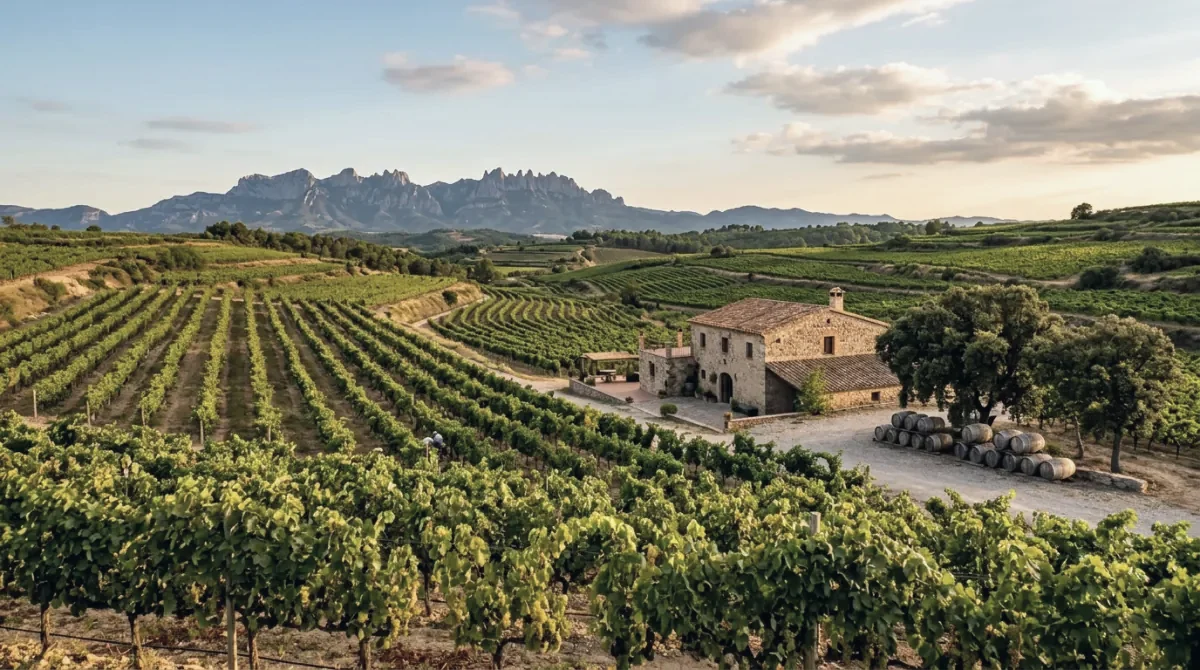
Watch for vague meeting instructions. A good plan should make it clear whether you meet outside a building, near a landmark, at a station exit or somewhere less obvious. Ask how late arrivals are handled and whether the route can be adjusted if public transport is delayed. These details are more useful than a long list of sights.
Match the walking level to your group
Barcelona is a walking city, but not every route is gentle. Some streets include slopes, uneven paving, steps and crowded pavements. Park Güell involves gradients, while Montjuïc can add climbs unless transport is used thoughtfully. In the Gothic Quarter, the lanes are atmospheric but can be tight and busy.
Be honest about the group's stamina. Children, older travellers, people with mobility needs and anyone carrying bags will experience the same route differently. Ask about total walking time, rest stops, shaded places and whether the itinerary includes stairs. If a route looks packed, trim it rather than hoping the pace will sort itself out on the day.
Weather matters too. In warm months, a midday walking route can feel harder than the map suggests. In cooler or wetter months, exposed viewpoints become less appealing. A sensible plan leaves room for a café stop, a short taxi ride or a change of order. Those adjustments are easier when the day is not overfilled.
Check what the route really includes
Once the basic style is clear, read the route line by line. A mention of Sagrada Familia may mean viewing it from outside, entering the basilica or walking past it nearby. Those are very different experiences. Casa Batlló can be a brief exterior stop or part of a deeper architecture theme. The same issue applies to markets, viewpoints and old streets.
Look for the sequence of the day, not just the names. A route that jumps between distant points can waste time. A route moving in a loop or a clear line across nearby areas tends to feel smoother. If the day covers Ciutat Vella, the Gothic Quarter and La Boqueria Market, those pieces can sit together naturally. Adding Montjuïc or the Barcelona coastline may require more travel time.
Ask how much of the plan is fixed and how much can be changed on the day. A private tour should leave some space for questions, photos and unplanned stops, but it still needs structure. Too much flexibility can feel like no plan at all, especially for a first visit.
Confirm the practical details
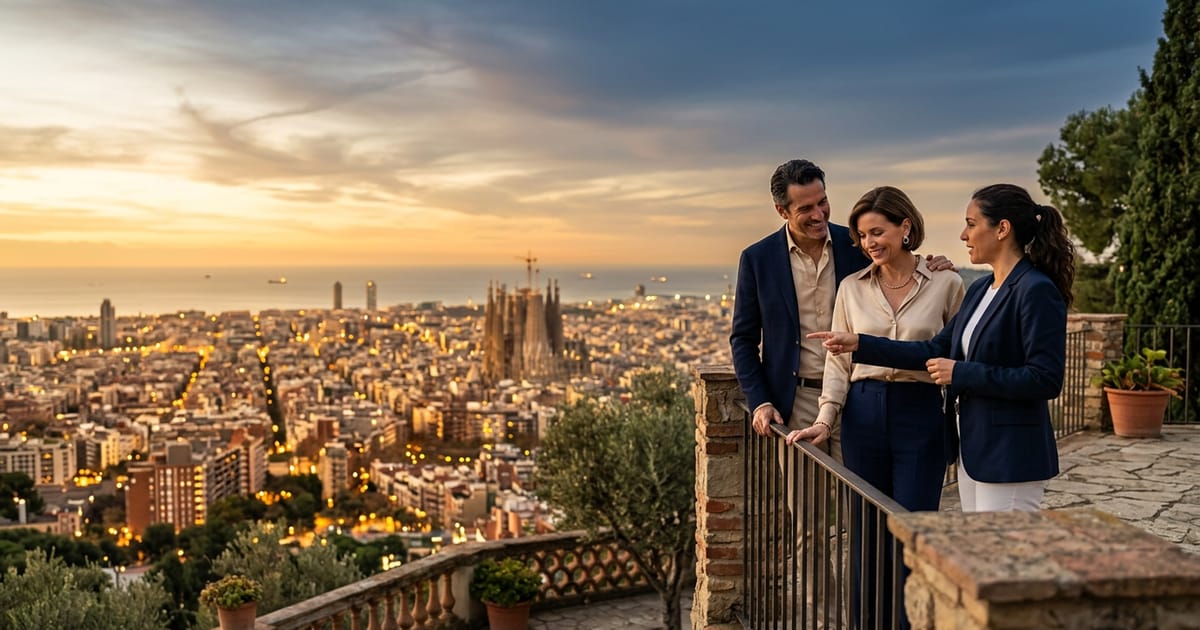
Before booking, clarify the points that affect comfort and cost. The exact length of the tour, the meeting point, the language of the tour and the group size should be clear. If entry tickets are part of the plan, check who arranges them and what happens if a site is closed or access changes. If food is involved, mention dietary needs in advance.
Some visitors compare options through a site such as privatetourinbarcelona.com, then check the finer points directly with whichever business they choose. That second step is useful because local conditions can change. It is also worth confirming whether the route is suitable for children, whether there are rest stops and what happens if rain alters the plan.
Do not rely on a general idea of how private tours usually work. Confirm the specific terms for the business you are considering. Hours, appointment rules, prices, coverage and contact details should be checked with that business before you commit, rather than assumed from the name of a website or a similar service elsewhere.
One local option is Montserrat Barcelona Day Trips. If comparing local businesses such as Montserrat Barcelona Day Trips with other choices, keep the comparison focused on route fit, clarity and practical arrangements. A clear answer to a practical question is often more valuable than a polished description.
Read the tone and fit of the plan
The best private tour feels suited to the people taking it. A history heavy route may be excellent for someone who enjoys context, yet tiring for a group that mainly wants photographs and a relaxed stroll. A route with many stops can feel rich, but it can also leave little time to enjoy any one place. Look for a balance that matches your attention span.
Pay attention to how the plan handles the city's busy pockets. The Gothic Quarter and La Boqueria Market can be crowded, especially at peak times. A route that allows a short pause away from the busiest lanes often feels better than one that pushes straight through them. Similarly, a viewpoint on Montjuïc should be timed with travel in mind, not squeezed into an already full morning.
If you want a private guide, consider whether the style suits the group. Some people enjoy detailed commentary and questions along the way. Others prefer brief context and more free time. Say what you prefer before the day, because it is easier to shape the route early than to reset it halfway through.
Leave space for the city itself
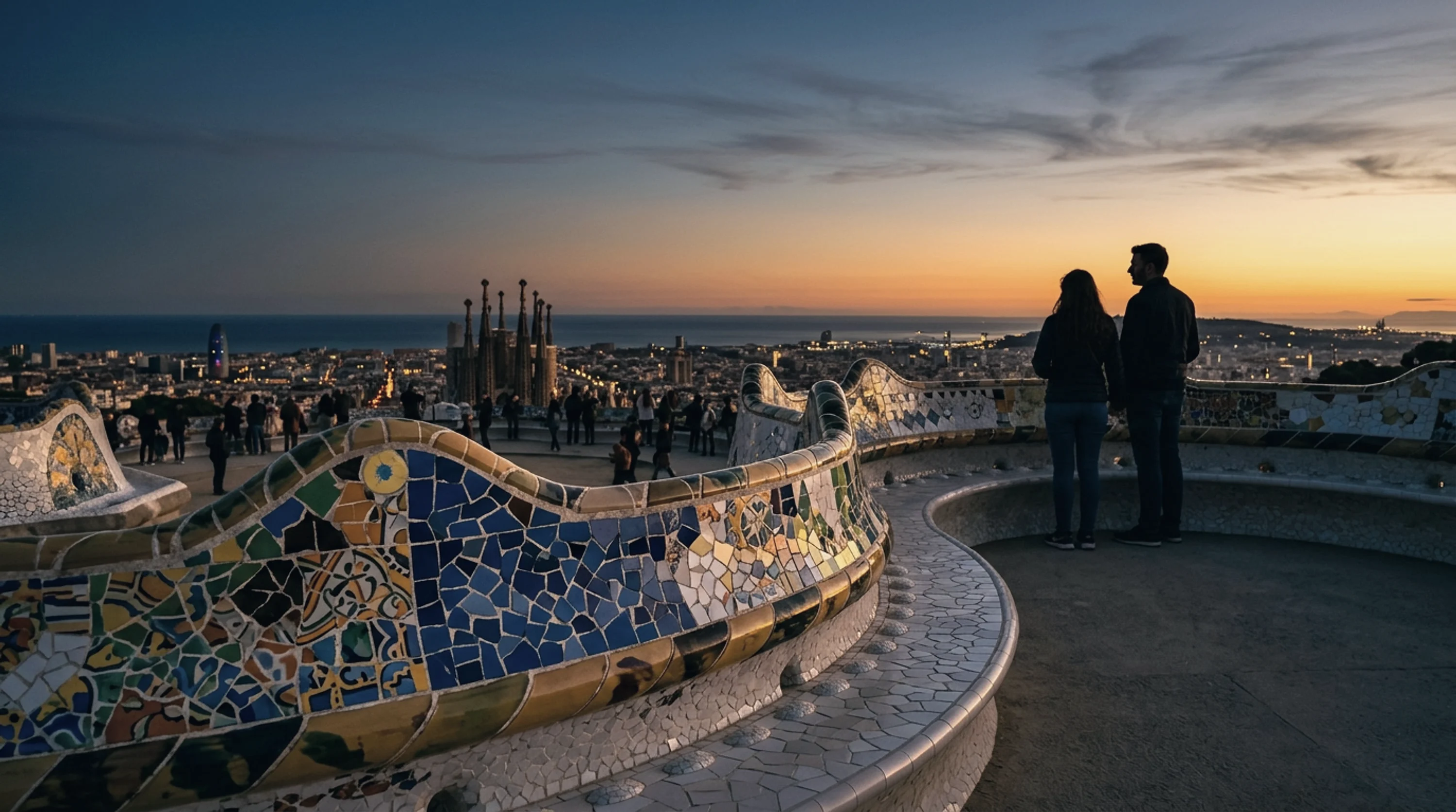
A well chosen private tour in Barcelona should not feel like a race past famous names. Leave room for a quiet square, a shop window, a short coffee stop or a change of direction. This is particularly true in Ciutat Vella, where the smaller streets often give the area its character. A plan can be precise without being rigid.
Keep the final route simple enough to enjoy. Choose the sights that matter most, place them in a sensible order and remove anything that only looks good on paper. When the day has breathing room, the city becomes easier to read. Details such as the meeting point, walking level and confirmed arrangements do the quiet work that lets the sightseeing feel natural.
For a local contact in the area, Montserrat Barcelona Day Trips is at Pg. de Colom, 9, Ciutat Vella, 08002 Barcelona, Spain. Phone: +34 632 93 79 41.